Liposuction: What Patients Should Know
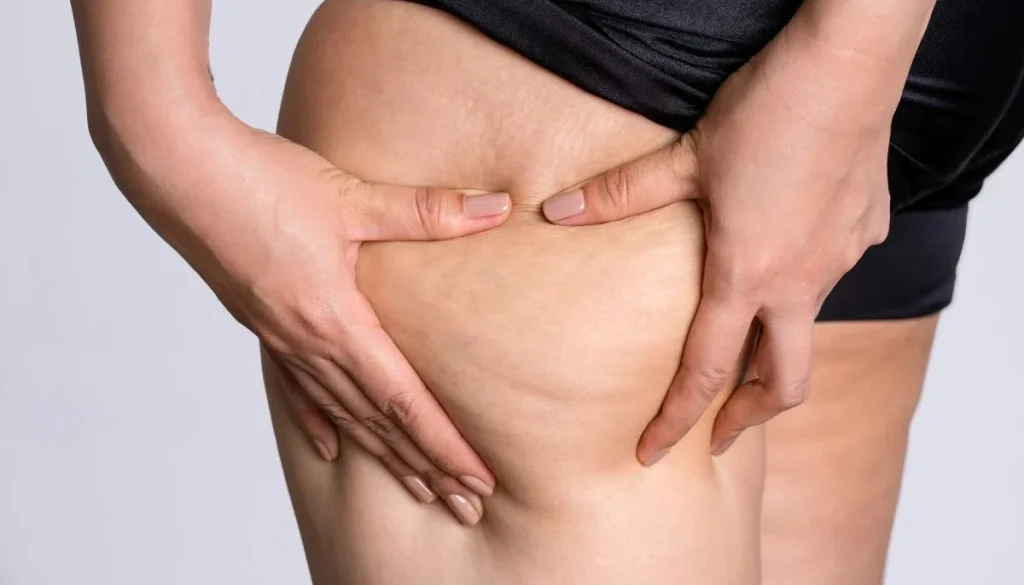
Liposuction is a cosmetic surgical procedure that removes small areas of fat from selected parts of the body. It may be considered when certain areas have not changed through diet and regular physical activity.
Liposuction is not a weight-loss treatment and is not used to treat obesity. It is designed to remove localised fat rather than reduce overall body weight.
How Liposuction Works
During the procedure, small cuts are made near the treatment area. A thin tube is placed under the skin to remove fat.
The procedure may be performed using local anaesthetic, sedation, or general anaesthetic. This will depend on the area being treated, the amount of fat being removed, the patient’s health, and the practitioner’s recommendation.
Common treatment areas may include:
- Abdomen
- Hips
- Thighs
- Upper arms
- Back
- Chin and neck
Ashbury Cosmetic provides consultations for traditional and laser-assisted liposuction. The most suitable option can only be discussed after an individual assessment.
Who May Be Suitable?
Liposuction may be considered for adults who are generally healthy, have a stable weight, and understand the limits of the procedure.
Suitability may depend on:
- General health
- Medical history
- Current medications
- Skin quality
- Smoking status
- Previous surgery
- The location and amount of fat
- Expectations about the result
Not every patient will be suitable for liposuction. A consultation is required before any procedure is planned.
What Happens During a Consultation?
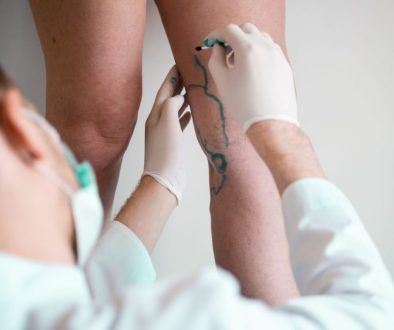
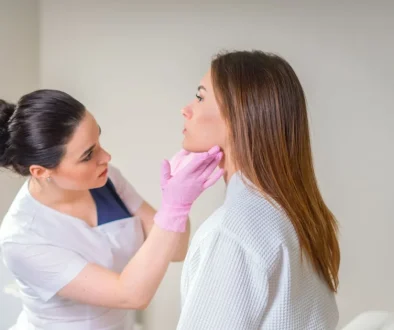
The consultation allows the practitioner to assess the treatment area and review the patient’s health and medical history.
The consultation may cover:
- The areas being considered for treatment
- The type of liposuction that may be suitable
- Anaesthetic options
- Expected recovery time
- Scarring
- Possible risks and complications
- Aftercare
- Costs
- Other available options
Patients considering cosmetic surgery in Australia may also need a referral from a general practitioner or another medical specialist. Cosmetic surgery requirements may include more than one consultation and a cooling-off period before surgery can proceed.
Recovery After Liposuction
Recovery times vary between patients.
After the procedure, patients may experience:
- Swelling
- Bruising
- Tenderness
- Discomfort
- Temporary numbness
- Changes in skin sensation
A compression garment may be recommended to support the treated area. Patients may also need to limit exercise, lifting, and other activities during the early recovery period.
Some patients may return to work within several days, while others may need more time. Swelling can take several weeks or longer to settle.
Patients should follow all aftercare instructions and attend their scheduled follow-up appointments.
Possible Risks
All surgical procedures carry risks.
Possible risks of liposuction may include:
- Infection
- Bleeding
- Scarring
- Delayed healing
- Fluid build-up
- Changes in sensation
- Uneven areas
- Loose skin
- Reactions to anaesthetic
- Blood clots
- The need for further treatment
Patients should be given information about the risks that may apply to their health and treatment plan.
Medical advice should be sought if there is increasing pain, heavy bleeding, worsening redness, fever, or other unexpected symptoms after the procedure.
Questions to Ask
Before proceeding, patients may wish to ask:
- Who will perform the procedure?
- What qualifications and experience do they have?
- Which technique is being recommended?
- Where will the surgery take place?
- What risks apply to me?
- How much time will I need away from work?
- What scarring should I expect?
- What aftercare is included?
- Who should I contact if there is a problem?
- What is included in the total cost?
- Are there other treatment options?
Patients should review all information provided before deciding whether to proceed.
Liposuction at Ashbury Cosmetic
Ashbury Cosmetic provides consultations for patients considering liposuction in Brisbane and on the Gold Coast.
A consultation is required to review medical history, assess the treatment area, discuss available options, and explain the expected recovery process and risks.
The outcome and recovery period will vary between patients.
All surgical procedures carry risks. Patients should seek a second opinion from an appropriately qualified health practitioner before proceeding. A consultation is required to assess suitability and provide individual medical advice.