Skin Tag Removal: Causes, Treatment Methods and What to Expect
Skin tags are common, benign skin growths that can develop on various areas of the body. Although they generally do not require medical treatment, removal may be considered when they cause irritation, become caught on clothing, or for personal reasons.
Ashbury Cosmetic provides laser skin tag removal consultations in Brisbane and on the Gold Coast. An individual assessment is required to determine the nature of the skin lesion and whether removal is appropriate.
What Are Skin Tags?
Skin tags, medically known as acrochordons, are small, soft growths consisting of collagen fibres, blood vessels, and skin tissue.
They are generally flesh-coloured or slightly darker than the surrounding skin and may be attached by a narrow stalk.
Common locations include:
Neck and underarms
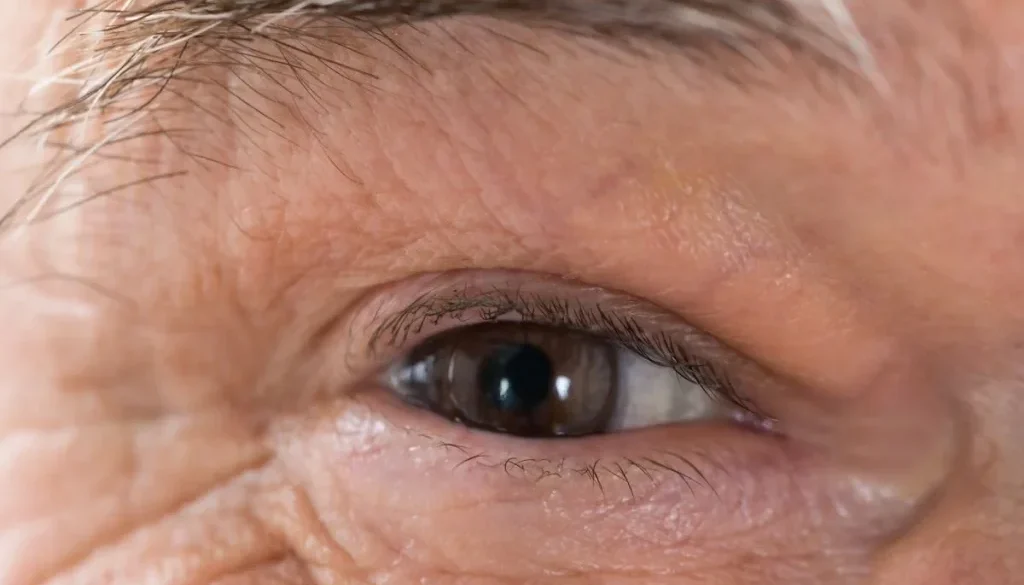
Eyelids
Groin and upper thighs
Under the breasts
Other areas where skin regularly rubs against skin or clothing
Skin tags are generally harmless and non-cancerous. However, not every raised skin lesion is a skin tag, making appropriate medical assessment important.
 What Causes Skin Tags to Develop?
The exact cause of skin tags is not fully understood. Several factors are associated with their development.
Skin friction: Skin tags frequently appear in areas where skin folds or clothing create repeated friction.
Age: Skin tags become more common with increasing age.
Genetics: Family history may contribute to an individual’s likelihood of developing skin tags.
Hormonal and metabolic factors: Skin tags may be associated with pregnancy, obesity, and insulin resistance.
The presence of skin tags does not necessarily indicate an underlying medical condition.
What Treatment Options Are Available?
Several clinical methods may be used to remove skin tags, depending on their size, location, and characteristics.
Laser Removal
Ashbury Cosmetic offers laser treatment for selected skin lesions, including skin tags.
The clinic uses Erbium laser technology, which removes targeted superficial tissue through controlled laser energy.
Suitability depends on the characteristics of the lesion, surrounding skin, and individual medical considerations.
Surgical Excision
Small skin tags may be removed using sterile surgical instruments. Local anaesthetic may be considered depending on the procedure and treatment area.
Cryotherapy
Cryotherapy involves applying liquid nitrogen to freeze the targeted tissue, which subsequently separates from the skin.
Electrosurgery
Electrosurgery uses controlled electrical energy to remove or destroy selected tissue.
Each technique has specific indications, limitations, and potential adverse effects. An appropriately qualified practitioner can explain which options may be suitable.
Why Is Skin Assessment Important Before Removal?
Although most skin tags are benign, other skin conditions can have a similar appearance.
Before removal, a practitioner should assess the lesion and consider whether further medical investigation is necessary.
Lesions that change in colour, shape, or size, bleed without an obvious cause, or have unusual characteristics should be assessed by a doctor.
Where there is concern about a potentially malignant lesion, appropriate diagnostic investigation may be required before treatment.
Laser removal is not appropriate for every type of skin lesion, particularly where tissue is required for laboratory examination.
What Happens During Laser Skin Tag Removal?
At Ashbury Cosmetic, the process begins with a consultation to assess the skin lesion and discuss available treatment options.
Where laser removal is considered appropriate, the practitioner will explain the proposed procedure, potential risks, expected healing process, and aftercare requirements.
Depending on the treatment area and individual circumstances, topical or local anaesthetic may be used.
Laser energy is applied to the selected tissue. The treated area subsequently undergoes a healing process.
Healing times vary depending on the lesion’s size, location, treatment method, and individual factors.
What Are the Risks and Possible Side Effects?
All skin removal procedures carry potential risks.
These may include:
Temporary redness and swelling
Local discomfort
Bleeding or infection
Changes in skin pigmentation
Scarring
Delayed healing
Incomplete removal or recurrence
Some individuals may require further assessment or treatment.
Results cannot be guaranteed, and outcomes vary between patients.
Aftercare Following Skin Tag Removal
Aftercare instructions depend on the treatment method and location.
General recommendations may include keeping the treatment area clean, avoiding unnecessary friction, and protecting healing skin from sun exposure.
Patients should follow the specific instructions provided by their treating practitioner and seek medical advice if signs of infection or unexpected symptoms develop.
Skin Tag Removal Consultations in Brisbane and on the Gold Coast
Ashbury Cosmetic provides consultations for laser skin tag removal at its Brisbane and Gold Coast clinics.
A clinical assessment is required to confirm the nature of the skin lesion, determine treatment suitability, and discuss the available options, including the option of no treatment.
For information about skin tag removal procedures, consultation requirements, potential risks, and fees, contact Ashbury Cosmetic.
Further information: Laser Mole & Skin Tag Removal – Ashbury Cosmetic
Medical information disclaimer: This article provides general information only and is not a substitute for individual medical advice. All procedures carry potential risks and complications. Suitability and treatment options must be discussed with an appropriately qualified healthcare practitioner.